The bookshelf
Things to read instead
Some are about phones. Most aren't. Links go to Bookshop.org.
The phone problem
-
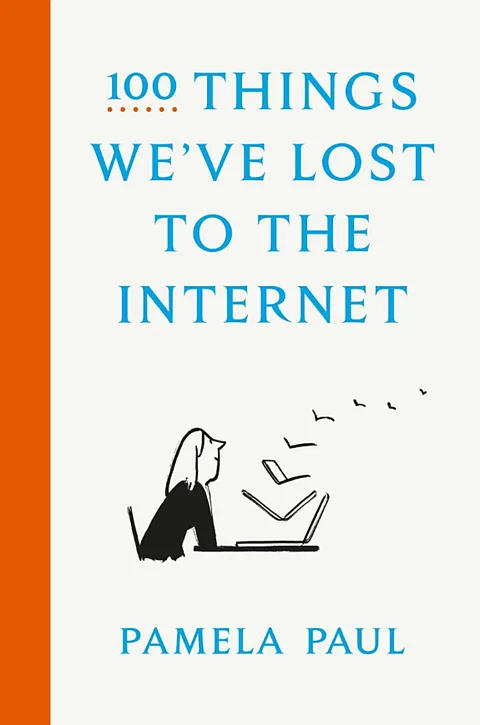
100 Things We've Lost to the Internet
Short essays on the small things that quietly disappeared: getting lost, boredom, the phone book, waiting for photos to be developed, not knowing. Some entries are funny, some sting. It's the kind of book you read one piece at a time and then put down to go do something.
Buy on Bookshop.org -
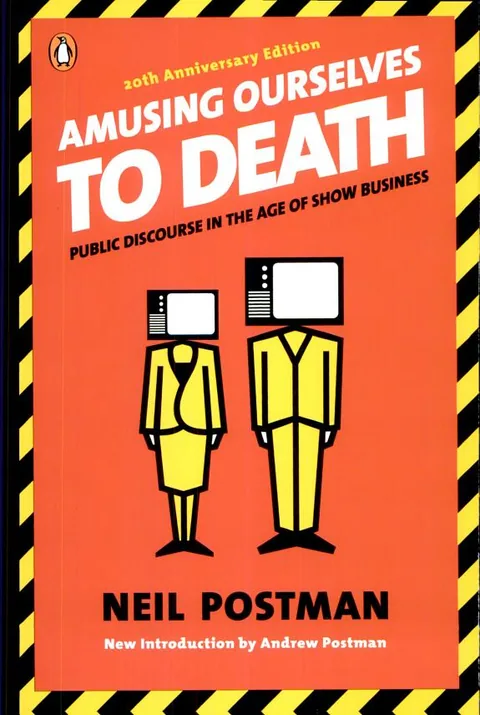
Amusing Ourselves to Death Public Discourse in the Age of Show Business
Postman was writing about television in 1985, and nearly every sentence applies harder to the phone. His argument is that a medium shapes what can be said in it, and that a medium built for entertainment turns everything, including news and politics, into entertainment. Short and still sharp.
Buy on Bookshop.org -
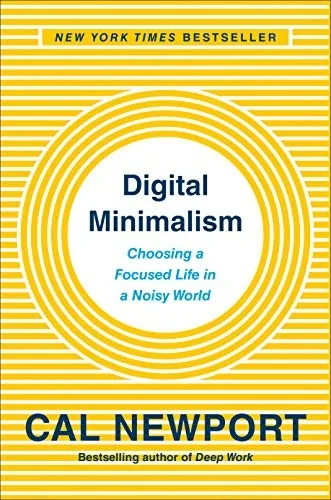
Digital Minimalism Choosing a Focused Life in a Noisy World
Newport's argument is that tidying up your phone doesn't work, and that what does is a full 30-day reset followed by a deliberate rebuild around the few tools that earn their place. The case studies of people who did it are the best part. If you read one book before switching phones, read this one.
Buy on Bookshop.org -
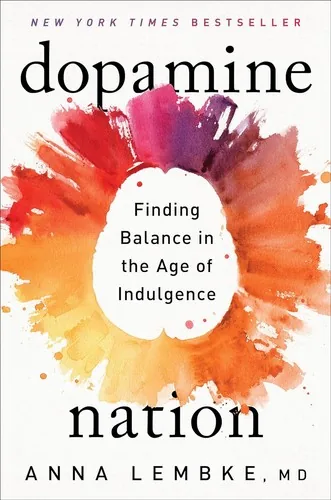
Dopamine Nation Finding Balance in the Age of Indulgence
A Stanford psychiatrist on the pleasure-pain balance in the brain and what constant easy rewards do to it. The phone is one of many examples, but it's the one most of us carry. Lembke's prescription of a month off whatever your thing is, then a deliberate return, will sound familiar to anyone who's done a phone reset.
Buy on Bookshop.org -
Irresistible The Rise of Addictive Technology and the Business of Keeping Us Hooked
A psychologist on how products get engineered to be hard to put down: variable rewards, endless feeds, streaks, the removal of stopping cues. Reading it feels like being shown the wires behind a magic trick. Alter is fair about the fact that these techniques also power things you like.
Buy on Bookshop.org -
Low Tech Life A Guide to Mindful Digital Minimalism
Jose runs the Dumbphone Finder and has probably handled more of these devices than anyone alive. This is his practical guide to actually making the switch: what to expect in the first week, how to handle two-factor codes and ride shares, and how to decide which phone fits the life you want. Short, direct, and written by someone who lives it.
Buy on Bookshop.org -
Reclaiming Conversation The Power of Talk in a Digital Age
Turkle has studied people and their devices for decades, and this book is about what happens to talk when a phone is on the table. Her interviews with families, students and coworkers are the substance. The argument is that conversation is where empathy is built, and that we're letting it get thin.
Buy on Bookshop.org -
Ten Arguments for Deleting Your Social Media Accounts Right Now
Lanier was in the room when a lot of this was built, and he wants you out. Ten short arguments, from the loss of free will to the erosion of empathy, in a voice that is cranky, funny and hard to dismiss. You can read it in an evening. You may delete something afterward.
Buy on Bookshop.org -
The Anxious Generation How the Great Rewiring of Childhood Is Causing an Epidemic of Mental Illness
Haidt's case that the shift from a play-based childhood to a phone-based one, around 2012, tracks the rise in teen anxiety and depression. Researchers still argue about how much of the effect is causal, and this site's research page covers that debate. As a parent, the four norms he proposes at the end are worth the price on their own.
Buy on Bookshop.org -
The Extinction of Experience Being Human in a Disembodied World
Rosen's subject is what gets lost when experience is mediated: handwriting, waiting, face-to-face awkwardness, boredom, knowing your way around a place. Newer than most books on this shelf and more interested in the body than the brain. It reads like a companion to the 100 Things book, with more argument.
Buy on Bookshop.org -
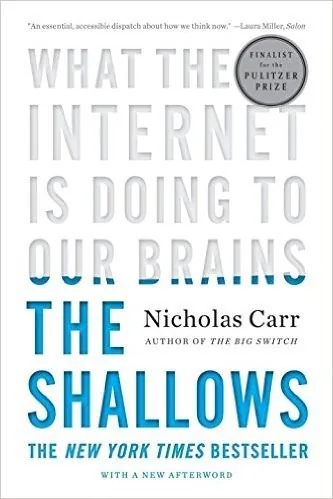
The Shallows What the Internet Is Doing to Our Brains
Written before the smartphone took over and still the best account of what skimming does to the reading brain. Carr traces how tools from the map to the clock reshaped thinking, then makes the case that the web is doing it again, faster. The tenth-anniversary edition adds an afterword on the smartphone years.
Buy on Bookshop.org

Attention, focus, and work
-
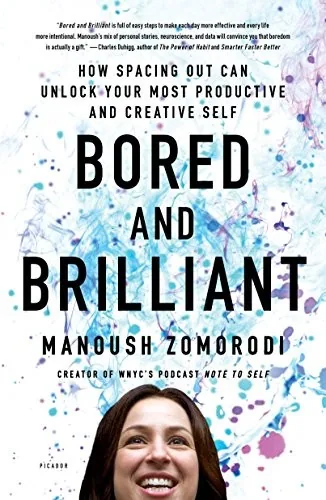
Bored and Brilliant How Spacing Out Can Unlock Your Most Productive and Creative Self
Grew out of a public radio project that asked listeners to put their phones down and see what happened. Zomorodi walks through the research on boredom and daydreaming, then hands you a week of small challenges: delete one app, keep the phone in your bag while walking, take no photos for a day. Easy to start, surprisingly hard to finish.
Buy on Bookshop.org -
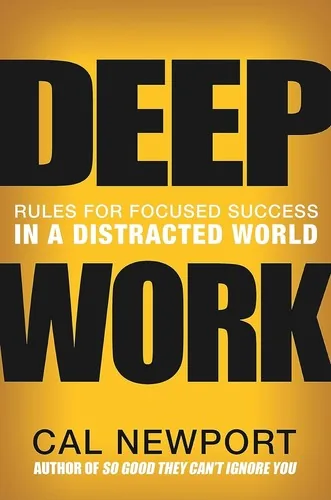
Deep Work Rules for Focused Success in a Distracted World
The earlier Newport book, aimed at your working hours rather than your evenings. Long stretches of uninterrupted concentration are rare now, which makes them valuable, and the book is about arranging your life to get more of them. The section on scheduling every minute is either freeing or horrifying depending on who you are.
Buy on Bookshop.org -
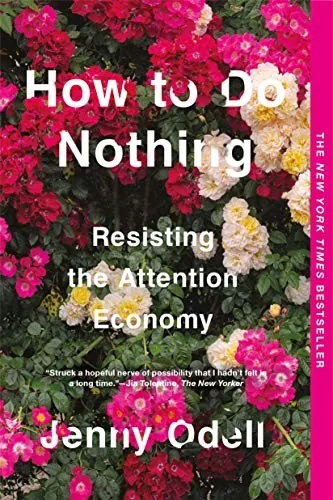
How to Do Nothing Resisting the Attention Economy
Odell is an artist, and her answer to the attention economy isn't a productivity system. It's birdwatching, public parks, and learning the names of the plants on your street. The book is a defense of doing things that produce nothing measurable, and of the places where that's still allowed.
Buy on Bookshop.org -
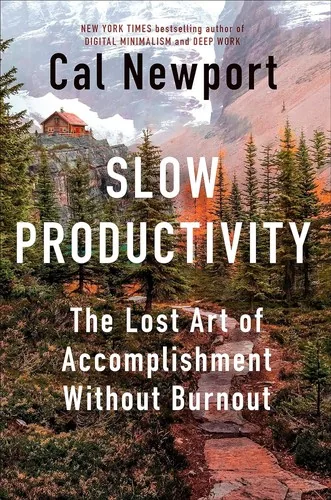
Slow Productivity The Lost Art of Accomplishment Without Burnout
Newport's newest, and the gentlest. Do fewer things, work at a natural pace, obsess over quality. He builds the case from the working lives of people like Jane Austen and Georgia O'Keeffe, who produced a great deal without ever seeming rushed. A good antidote to the feeling that a quieter phone means falling behind.
Buy on Bookshop.org -
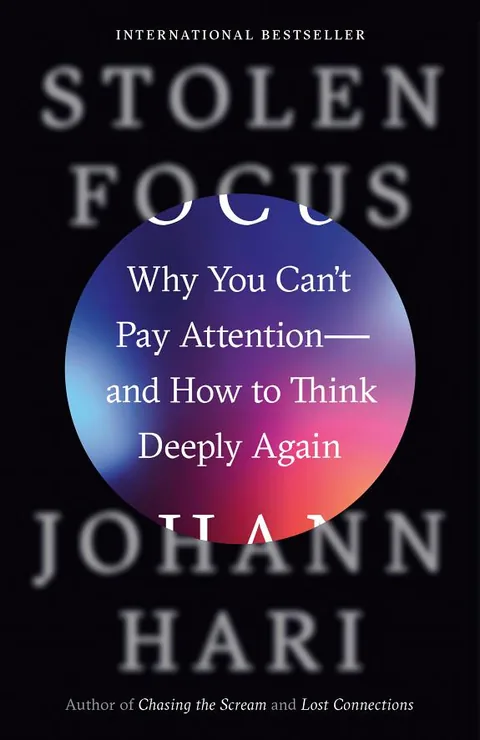
Stolen Focus Why You Can't Pay Attention--and How to Think Deeply Again
Hari spent three months in Provincetown with no smartphone and no internet, then went looking for why attention feels so much harder than it used to. He interviews the people who built the feeds and the people studying what they did to us. Broader than a phone book, and angrier.
Buy on Bookshop.org -
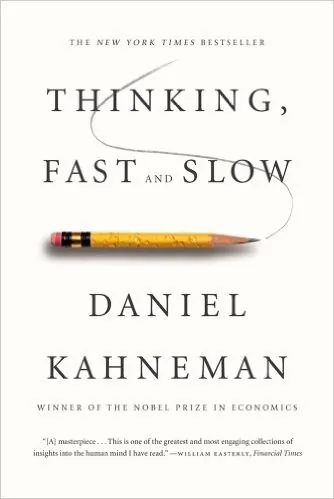
Thinking, Fast and Slow
Kahneman explains the two systems your mind runs on: the fast, automatic one that reacts to a buzz in your pocket, and the slow, effortful one that does the thinking you're proud of. Once you see how much of your day the fast system runs, it's hard to unsee. Long, but you can read it in pieces.
Buy on Bookshop.org
Slower, simpler
-
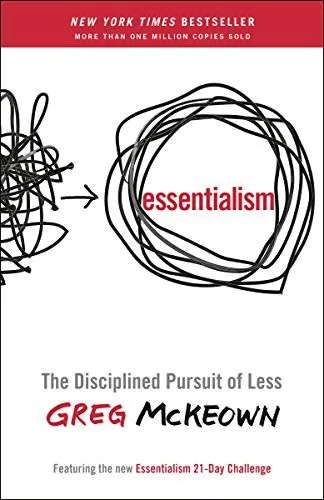
Essentialism The Disciplined Pursuit of Less
The disciplined pursuit of less: deciding what actually matters and cutting the rest without apology. McKeown is writing about work and commitments more than devices, but the mindset transfers directly. A dumbphone is essentialism you can hold.
Buy on Bookshop.org -
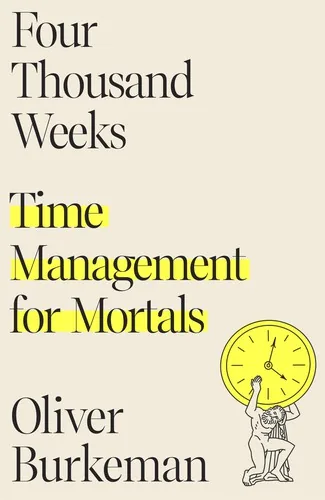
Four Thousand Weeks Time Management for Mortals
You get about four thousand weeks. Burkeman's point is that no productivity system will fit everything in, so the real skill is choosing what to neglect and being at peace with it. Calmer and funnier than the premise suggests. It pairs well with a phone that can't do much.
Buy on Bookshop.org -
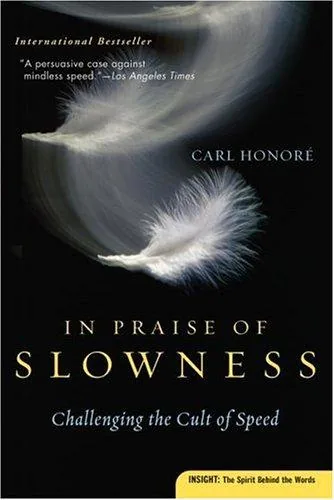
In Praise of Slowness Challenging the Cult of Speed
A survey of the Slow movement in all its forms: slow food, slow cities, slow medicine, slow parenting. Honoré started writing it after catching himself considering one-minute bedtime stories for his son. Good context for anyone who wants to understand the wider culture that dumbphones belong to.
Buy on Bookshop.org -
Meditations A New Translation
A Roman emperor's private notebook, never meant for readers. Two thousand years later it is still the clearest writing on paying attention to what is in front of you and letting go of what isn't. The Hays translation reads like someone talking to himself, which is what it is. Keep it by the bed.
Buy on Bookshop.org -
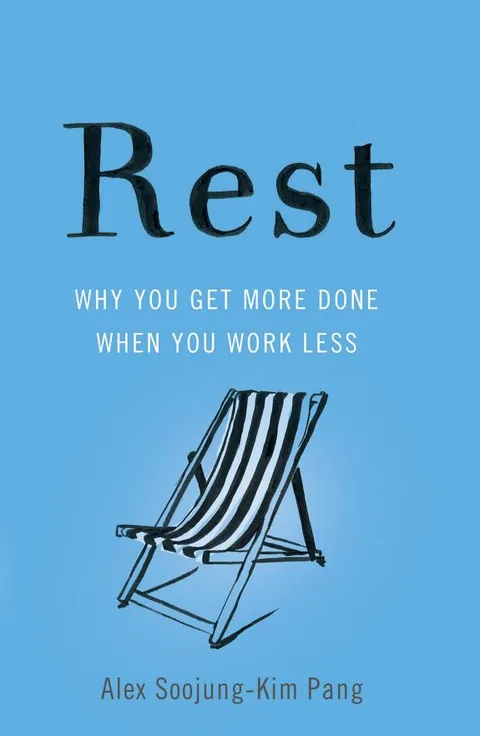
Rest Why You Get More Done When You Work Less
Pang goes through the routines of scientists, writers and painters and finds that most of them worked about four focused hours a day and treated rest as part of the job. Walks, naps, hobbies, long breaks. It's a persuasive case that the empty hours a dumbphone gives back aren't wasted.
Buy on Bookshop.org -
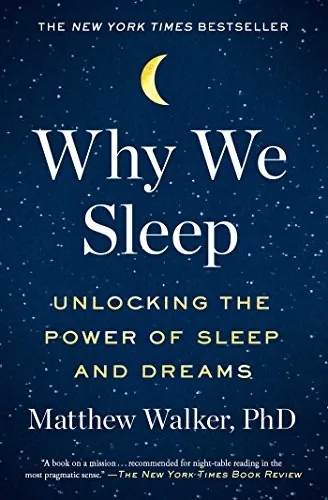
Why We Sleep Unlocking the Power of Sleep and Dreams
A neuroscientist's tour of what sleep does for memory, mood and the body, and what goes wrong without it. The chapter on screens and melatonin is the one people cite, but the whole book will make you protective of your evenings. Some of Walker's bolder claims have been challenged since it came out, so read it as a strong case rather than the last word.
Buy on Bookshop.org

Out the door
-
A Philosophy of Walking
Short chapters on Nietzsche, Rousseau, Thoreau, Rimbaud and others who did their thinking on foot. Gros argues that walking is not a sport and needs no gear, which makes it the most available freedom there is. Read a chapter, then go out.
Buy on Bookshop.org -
Into the Wild
Krakauer's reconstruction of Chris McCandless, who gave away his savings, burned his cash and walked into Alaska. It is a cautionary tale as much as an inspiring one, and Krakauer doesn't pretend otherwise. What stays with you is the hunger for a life with nothing between you and the world.
Buy on Bookshop.org -
On the Road
Kerouac typed this on a single scroll of paper over three weeks, and it reads like it. Sal and Dean cross the country on nothing, sleep in fields, talk all night, and pay attention to everything. It's a book about being fully somewhere, which is what putting the phone away is for.
Buy on Bookshop.org -
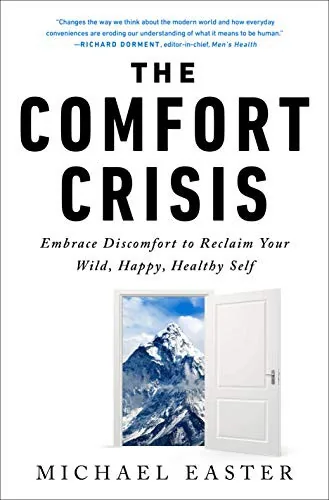
The Comfort Crisis Embrace Discomfort to Reclaim Your Wild, Happy, Healthy Self
Easter spends a month in the Alaskan backcountry and uses it to look at everything modern life has made too easy: warmth, food, boredom, silence. The book is a case for seeking out a bit of difficulty on purpose. The chapter on boredom alone will change how you wait in line.
Buy on Bookshop.org -
Walden
Thoreau built a cabin by a pond, lived there two years, and wrote down what he learned about how little a person needs. People argue about how rough he really had it, but the sentences hold up. The chapter titled Where I Lived, and What I Lived For is the whole low-tech argument in a few pages.
Buy on Bookshop.org -
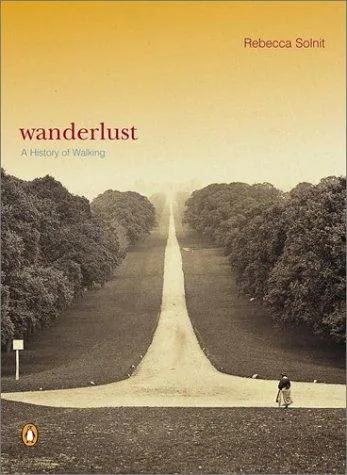
Wanderlust A History of Walking
A history of walking as an idea: pilgrims, philosophers, protest marches, people who just needed to think. Solnit writes about the pace of walking as the pace of thought, which makes it the natural companion to a life with fewer screens. Take it slowly, like its subject.
Buy on Bookshop.org -
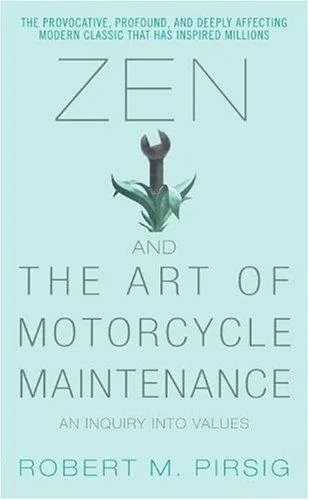
Zen and the Art of Motorcycle Maintenance An Inquiry into Values
A father and son ride from Minnesota to California, and the narrator works out a philosophy of quality and care along the way. The motorcycle is the point: something you can understand, fix, and take responsibility for. A book about attention disguised as a road trip.
Buy on Bookshop.org




Make and keep
-
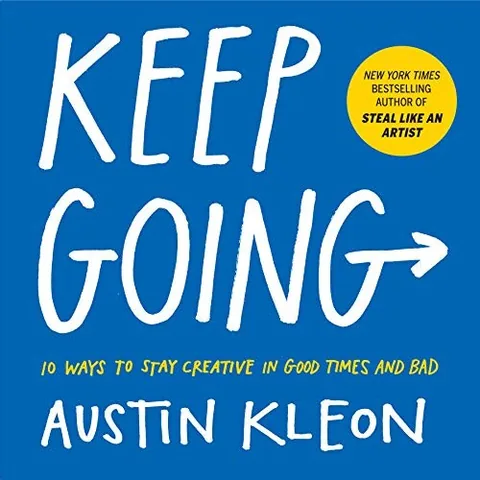
Keep Going 10 Ways to Stay Creative in Good Times and Bad
Ten short rules for staying creative, in Kleon's hand-lettered, collage style. Two of them are about the phone: airplane mode as a way of life, and the practice of a daily walk. It takes an hour to read and is the kind of book you hand to a friend who's stuck.
Buy on Bookshop.org -
Letters to a Young Poet
Ten letters from Rilke to a young officer who wanted to know if he should be a writer. The advice is to go inward, to be patient with the unresolved, and to love solitude. It is the most-read book on this shelf for a reason, and it fits in a coat pocket.
Buy on Bookshop.org -
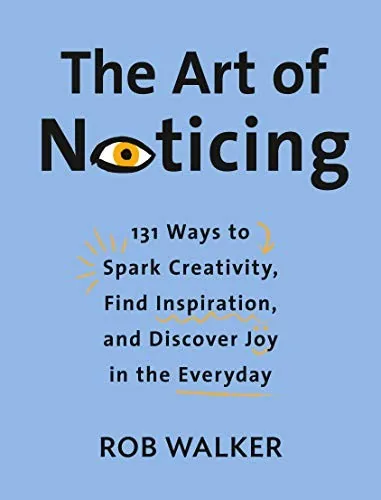
The Art of Noticing 131 Ways to Spark Creativity, Find Inspiration, and Discover Joy in the Everyday
131 small exercises for paying attention: look for the oldest thing on your block, listen for the quietest sound in a room, follow a color for a day. Nothing requires equipment. It's a good book to leave on a table and open at random when the urge to check something hits.
Buy on Bookshop.org -
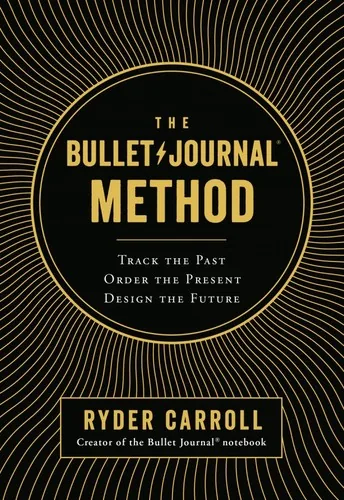
The Bullet Journal Method Track the Past, Order the Present, Design the Future
Carroll designed the bullet journal to manage his own attention, and the system is simpler than the internet makes it look: a notebook, a few symbols, and a monthly habit of copying forward only what still matters. If you're leaving a phone full of apps behind, this is where the calendar and to-do list go.
Buy on Bookshop.org

Covers come from the publishers via Open Library and Google Books. Nothing here is sponsored; the Bookshop links are plain links.